Uncategorized

The Days of the 8 Track

8-tracks-april-3-1970

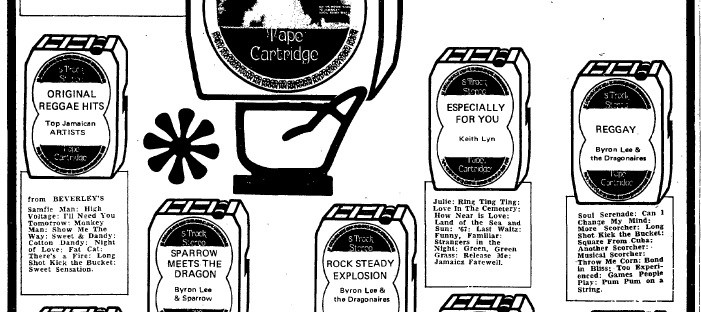
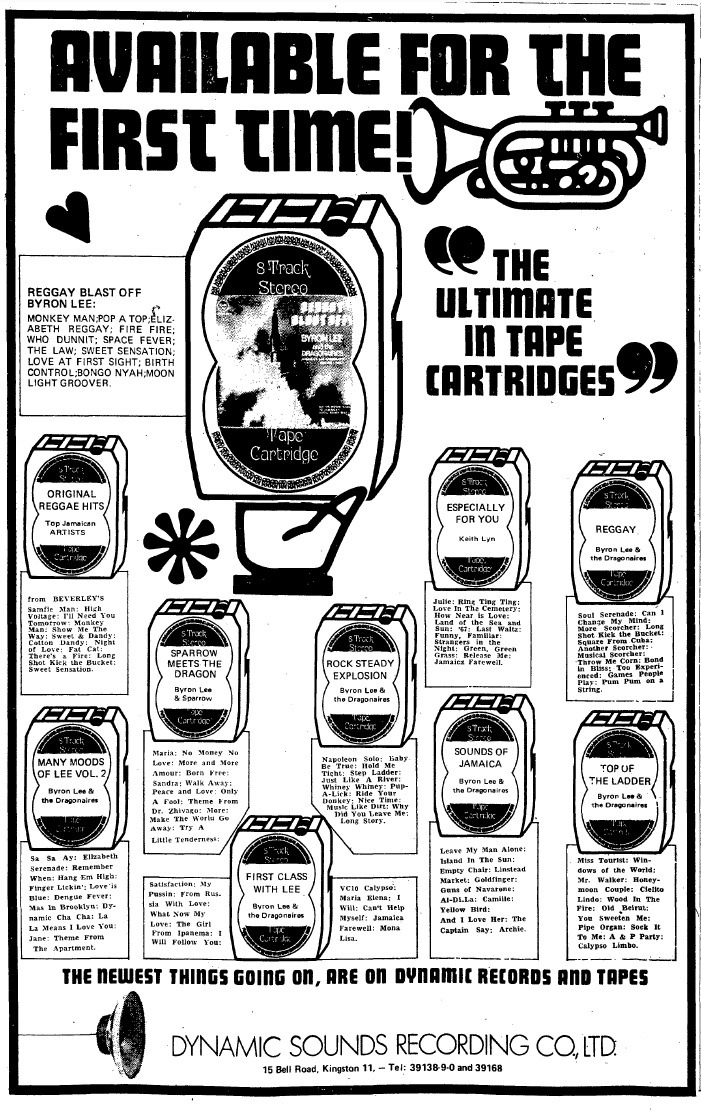
I’ve heard the younger generation talking about “mix tapes,” and I realized it is not the same mix tape as when I was a teenager. This mix tape is just a playlist. But then I started to see actual cassette tapes making a comeback and I grew nostalgic. Chuck Wren of Jump Up Records has been issuing cassette versions of some of his newest ska releases and so it got me thinking about these methods of music delivery from yesteryear. I remember well riding across country in our navy blue van in about 1986, interior walls carpeted, plush captain chairs, no air conditioning through the desert in Nevada, bus-style windows open, tin-metal drawstring blinds jangling at every sway of the chassis, listening to Bob Marley on 8-track. That’s right, 8-track. Either you know it or you don’t. So when I came across this advertisement from the Daily Gleaner, April 3, 1970 for 8 track tapes from Dynamic Sounds, it had me thinking about this medium. Anyone remember the whir of the reels inside as they clicked from track to track? Did you have any reggae on 8 track? Think it will make a comeback too, like cassettes and even vinyl? Or is it gone for good reason?

Uncategorized

Tribute to Deadly Headley

headley

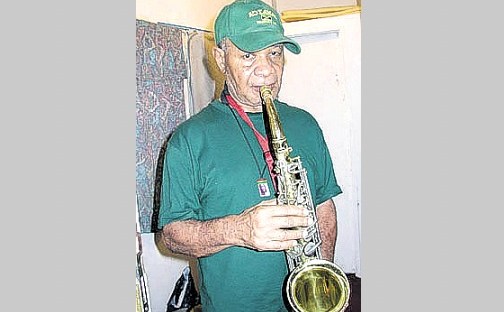
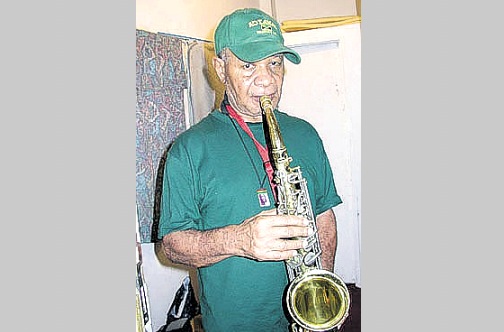
The August 31st issue of the Jamaica Gleaner featured a wonderful article by music historian and journalist Roy Black on the legendary career of Deadly Headley Bennett who passed away on August 24, 2016. I post this article here, along with one from Howard Campbell at the Jamaica Observer, and will save my own writings on Bennett for my forthcoming book on Alpha Boys School. Let it be said though that we have lost another fine musician whose music will live long beyond his years. Thank you, Mr. Bennett, for your contributions to music all over the world.

Saxophonist Felix Headley ‘Deadly Headley’ Bennett’s mid-song solos were largely responsible for the success of several hit recordings, particularly during the ska era of the 1960s. He passed away at his home, 6B Lincoln Road, Franklyn Town, on Sunday, August 21, 2016. He was 85 years old.

There have been so many great solos by Bennett that it becomes difficult to single out one for special commendation, but perhaps his solo in Delroy Wilson’s Dancing Mood would take the cake. Bennett’s involvement with the song was crucial, as I believe the recording became the single most important one that heralded the start of the rocksteady era.

Bennett, a dancer himself, seems fascinated by dancing as he also got himself involved with Dancing Shoes, sung by The Wailers (Bunny Wailer, Peter Tosh, Constantine Walker) about that same time. It was a masterful introductory solo, followed by a mid-song solo that resulted in many vocalists and bands of the day requesting Bennett’s inclusion in their recordings. As it turned out, Dancing Shoes became one of the most beautifully executed songs by The Wailers.

MUSICAL WAR

Bennett’s solos again decorated another exclusive recording by that same Wailers combinations, titled What Am I To Do, shortly after. Bennett’s saxophone solo can again be heard on Jimmy Cliff’s Hurricane Hattie after an introductory guitar rang out to the tune of a vintage classic called Forty Miles of Bad Road.

But perhaps unknown to many is that it was Bennett’s instrumental solo in Derrick Morgan’s Independence song Forward March that started the musical war between Morgan and Prince Buster. Buster claimed that he had created the solo, which he had earlier used, and Morgan stole his ‘belongings’.

Housewives Choice by Derrick and Patsy in 1963 is another of the public’s favourite in which Bennett’s saxophone can he heard.

INSTRUMENTAL HITS

Among Bennett’s instrumental hits is Full Up, the origins of which was dramatically related to me in an interview I did with Bennett more than 10 years ago: Studio One boss Clement Dodd had introduced a rhythm to Bennett for him to work on, but it seemed bare – no vocals, no horns. When Bennett enquired of Dodd about the song, Dodd’s response was “just full it up, man”. Full Up, originally created by Leroy Sibbles and featuring Bennett on saxophone, became a big hit for The Sound Dimension Band.

Green Moon, a beautiful mid-tempo, kette drum-dominated instrumental, is shrouded in controversy insofar as the performer is concerned, but Bennett vehemently asserted that he blew the saxophone in the recording.

There were others, including his well-executed albums Poolside Reggae and Victory, which showcase a variety of ska, rocksteady, reggae and dub selections.

Bennett, who earned the moniker ‘Deadly Headley’ after one of his bewildering performances elicited the comment ‘boy, what a deadly sound’, remains one of the most unsung heroes of Jamaican music.

Jamaica Observer: Howard Campbell

Felix “Deadly Headley” Bennett, a prolific saxophonist who played on Bob Marley’s first song, died on Sunday at age 85.

His daughter, Carol Bennett, said he passed away at home in Rollington Town, East Kingston. He had suffered from hypertension for years and was recently diagnosed with prostate cancer.

Born in Central Kingston, Bennett learned music at the Alpha Boys School. Leaving after 12 years at age 16, he played in several bands and was an established session musician by the early 1960s.

He was a member of producer Leslie Kong’s house band in February 1962 when a 16-year-old singer named Robert Nesta Marley approached Kong to record songs for his Beverley’s Records.

Kong produced Marley’s first song, Judge Not, with Bennett on sax.

Bennett played on other Kong classics, including Derrick Morgan’s Forward March and Hurricane Hattie done by Jimmy Cliff, another teen singer destined for greatness.

Throughout the 1960s, he played on some of the biggest songs from the ska and rocksteady eras, including Delroy Wilson’s

Dancing Mood which featured his signature solo.

Other noted songs Bennett played on are I Want To Go Back Home (Bob Andy); Dancing Shoes — The Wailers; I’m The Toughest — Peter Tosh; Love I Can Feel — John Holt; I Shall Be Released — The Heptones; and Full Up — Soul Defenders.

He lived in Canada for several years before returning to Jamaica in the mid-1970s. His career got a second wind during the early 1980s when he recorded and toured with the Roots Radics Band.

It was during that period that he got the nickname ‘Deadly Headley’. In 2005, he was awarded the Order of Distinction by the Jamaican Government for his contribution to Jamaican music.

Headley Bennett is survived by a brother, two children, four grandchildren and two great-grandchildren.

— Howard Campbell

Uncategorized

A Ska Mystery

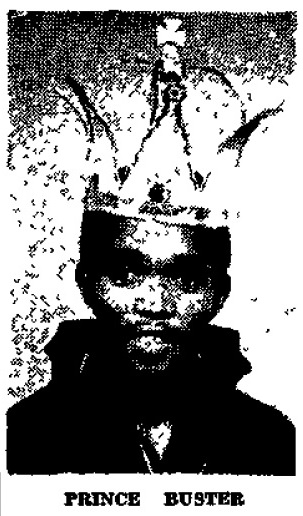
Buster

Can you help solve this ska mystery?

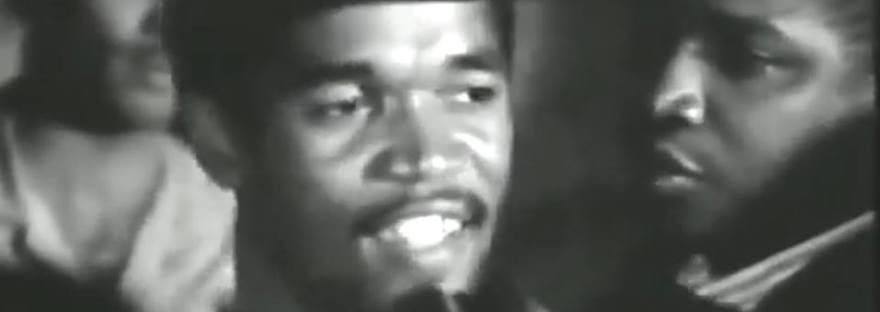
I attended Reggae Fest Chicago last weekend, which was extraordinary, by the way, and had a chat with fellow ska fan Jim Cascino, co-host of the Windy City Sound System podcast on Mix Cloud. He asked me if I knew if Prince Buster had been to Chicago in 1964 or prior, and I admitted that I had no idea and I was curious why he asked. He explained that he thought that Prince Buster may have worn a Chicago Bears cap in that now-famous “This Is Ska” film from 1964 at the Sombrero Club narrated and emceed by Tony Verity. I was familiar with the film, of course, but had never noticed Prince Buster’s cap! Jim’s brother Kevin produced a photo on his phone, a still from this film, and there it was! Or so it appears. Could it be the Chicago Bears? Or perhaps, as Jim noted, it is the Cincinnati Reds logo from the mid-1960s? Jim has supplied me with the photo and the logos below so that you all can sleuth an answer for us!

Thoughts?

Bears_Logo

Chicago Bears Logo

Reds_LogoCincinnati Reds Logo

In the meantime, check out Jim Cascino’s show HERE.

And if you missed my Radio M two-hour show with Tony Sarabia on WBEZ to promote Reggae Fest Chicago artists Toots & the Maytals, Keith & Tex, Charley Organaire, Derrick Morgan, Hepcat, and the Prizefighters, listen HERE (thanks to Jim Cascino for recording this for me).

Uncategorized

Ska in Jamaica Advertisements

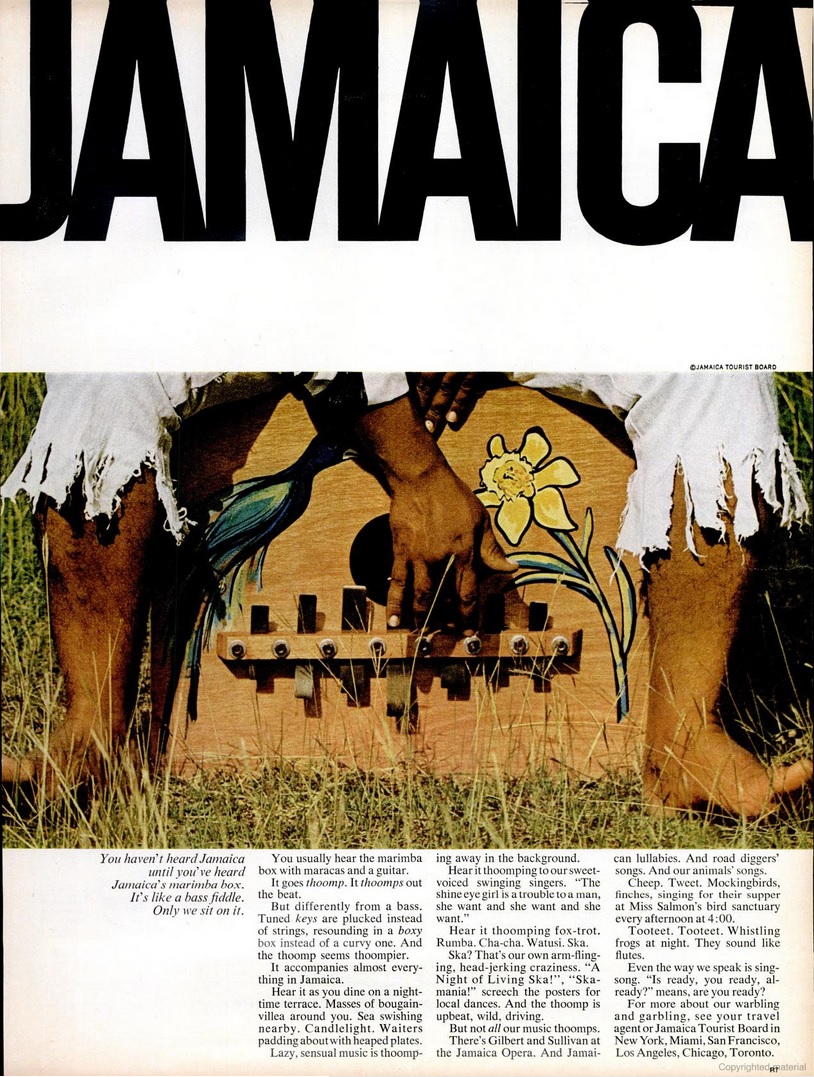
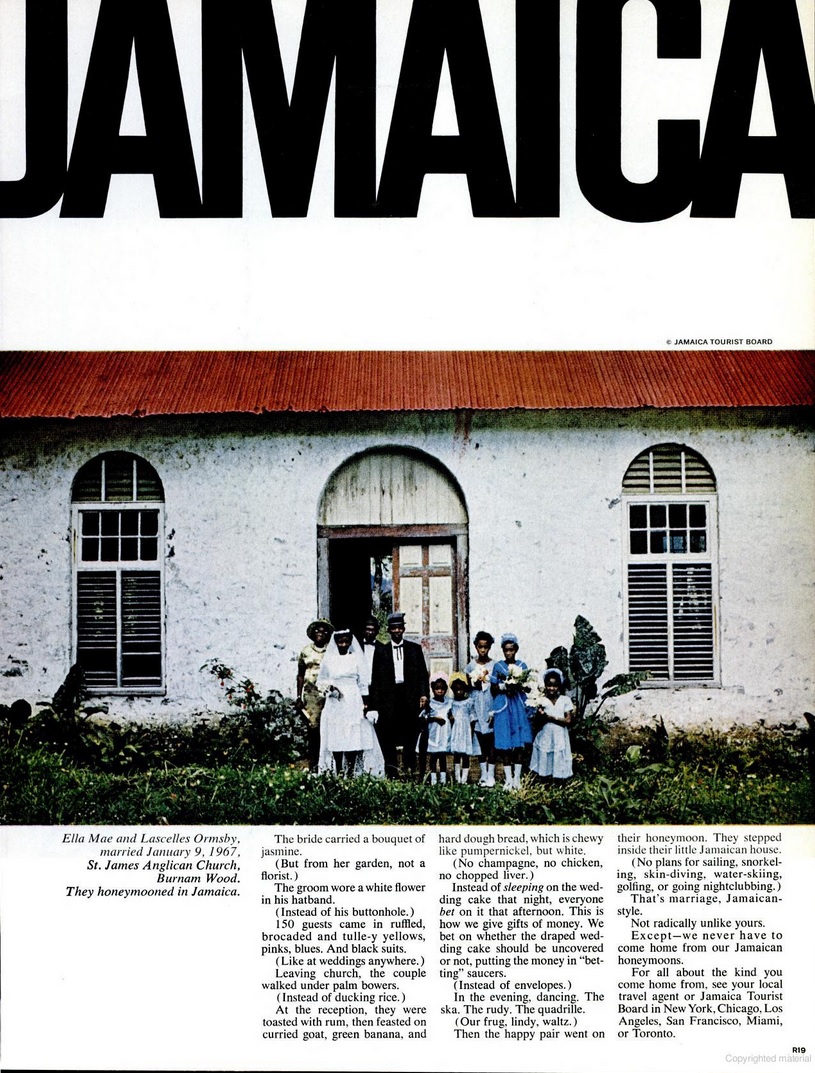
Again I’m busy writing my biography on Byron Lee so don’t have a lot of time to blog this week, but still wanted to share some interesting advertisements I came across in a few copies of Life magazine in the late 1960s that mention ska. As you may well know, the Jamaica Tourist Board and the Ministry of Development and Welfare promoted ska in 1964 at the World’s Fair, but these are a few of their advertisements that demonstrate that mission beyond that initial push.

Life-magazine-may-20-1966From Life Magazine, May 20, 1966

Life-magazine-may-5-1967From Life Magazine, May 5, 1967

Life-magazine-dec-22-1967From Life Magazine, December 22, 1967

Uncategorized

Prince Buster Alleges Discrimination from Radio Stations

buster-photo

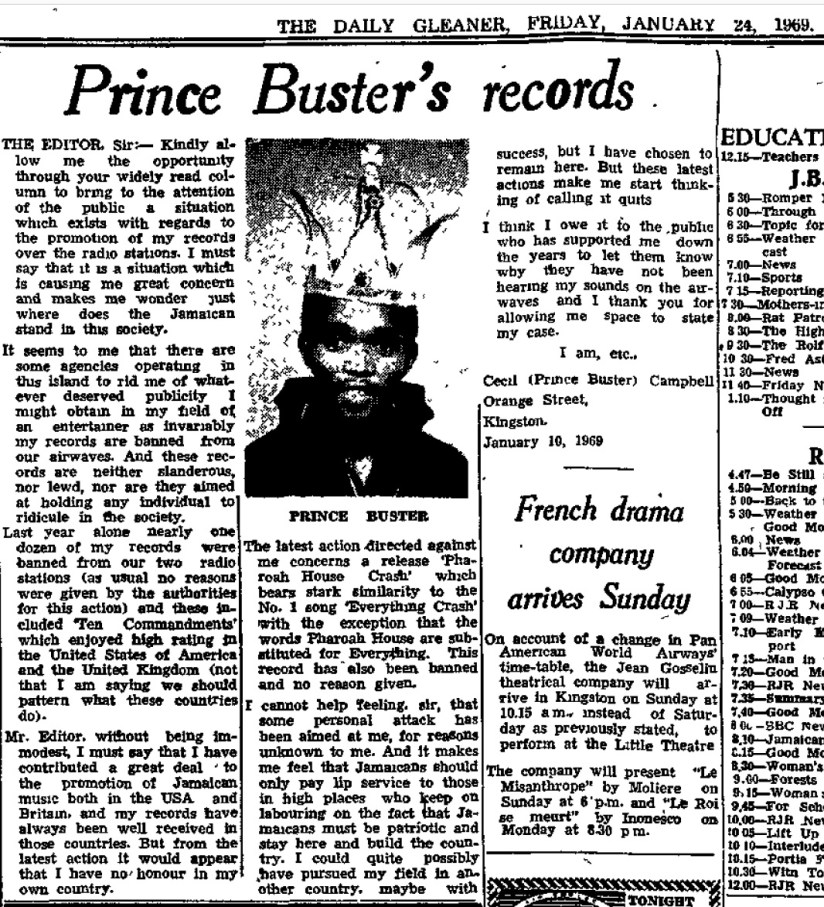
These two articles from the Daily Gleaner in 1969 reveal allegations of discrimination from Prince Buster against the two radio stations in Jamaica, RJR and JBC. Buster complains that his records are banned from airplay, and the response reveals the reasons why in addition to an explanation of how records are selected for play. They are an interesting insight into one part of the Jamaican music industry in an era gone by.

First, here is the first article, the allegation from Prince Buster published on January 24, 1969, followed by the transcription for easy reading.
princebuster-editorial

THE EDITOR, Sir:— Kindly allow me the opportunity through your widely read column to bring to the  attention of the public a situation which exists with regards to the promotion of my records over the radio stations. I must say that it is a situation which is causing me great concern and makes me wonder just where does the Jamaican stand in this society.

It seems to me that there are some agencies operating in this island to rid me of whatever deserved publicity I might obtain in my field of an entertainer as invariably my records are banned from our airwaves. And these records are neither slanderous, nor lewd, nor are they aimed at holding any individual to ridicule in the society.

Last year alone nearly one dozen of my records were banned from our two radio stations (as usual no reasons were given by the authorities for this action) and these included Ten Commandments which enjoyed high rating in the United States of America and the United Kingdom (not that I am saying we should pattern what these countries do).

Mr. Editor, without being immodest, I must say that I have contributed a great deal to the promotion of Jamaican music both in the USA and Britain, and my records have always been well received in those countries. But from the latest action it would appear that I have no honour in my own country.

The latest action directed against me concerns a release ‘Pharoah [sic.] House Crash’ which bears stark similarity to the No. 1 song ‘Everything Crash’ with the exception that the words Pharoah [sic.] House are substituted for Everything. This record has also been banned and no reason given.

I cannot help feeling, sir, that some personal attack has been aimed at me, for reasons unknown to me. And it makes me feel that Jamaicans should only pay lip service to those in high places who keep on labouring on the fact that  Jamaicans must be patriotic and stay here and build the country. I could quite possibly have pursued my field in another country, maybe with success, but I have chosen to remain here. But these latest actions make me start thinking of calling it quits.

I think I owe it to the public who has supported me down the years to let them know why they have not been
hearing my sounds on the airwaves and I thank you for allowing me space to state my case.

I am, etc.
Cecil (Prince Buster) Campbell
Orange Street,
Kingston,
January 10, 1969
prince-buster-2-1

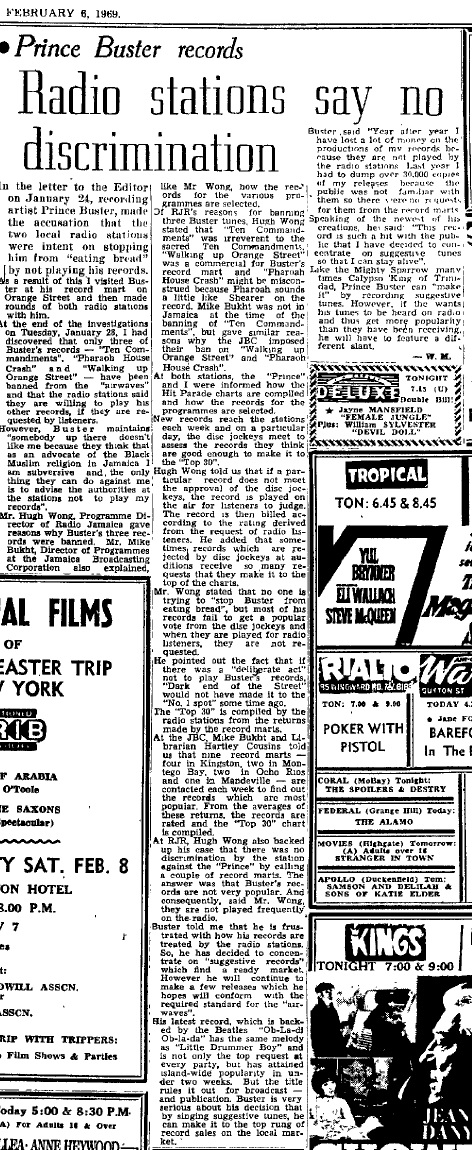
The Daily Gleaner published this response the following month on February 6, 1969 in an article written by “W.M.” titled, “Prince Buster records: Radio stations say no discrimination.” The article reads:

In the letter to the Editor on January 24, recording artist Prince Buster made the accusation that the two local radio stations were intent on stopping him from “eating bread” by not playing his records.

As a result of this I visited Buster at his record mart on Orange Street and then made rounds of both radio stations with him.

At the end of the investigations on Tuesday, January 28, I had discovered that only three of Buster’s records — “Ten Commandments”, “Pharaoh House Crash” and “Walking up Orange Street” — have been banned from the “airwaves” and that the radio stations said they are willing to play his other records, if they are requested by listeners.

However, Buster maintains “somebody up there doesn’t like me because they think that as an advocate of the Black Muslim religion in Jamaica I am subversive and, the only thing they can do against me is to advise the authorities at the stations not to play my records”.

Mr. Hugh Wong, Programme Director of Radio Jamaica gave reasons why Buster’s three records were banned. Mr. Mike Bukht, Director of Programmes at the Jamaica Broadcasting Corporation also explained, like Mr Wong, how the records for the various programmes are selected. Of RJR’s reasons for banning for three Buster tunes Hush Wong stated that “Ten Commandments” was irreverent to the sacred Ten Commandments. “Walking up Orange Street” was a commercial for Buster’s record mart and “Pharoah [sic.] House Crash” because Pharoah [sic.] sounds a little like Shearer on the record. Mike Bukht was not in Jamaica at the time of the banning of “Ten Commandments”, but gave similar reasons why the JBC imposed their ban on “Walking up Orange Street” and “Pharaoh House Crash”.

At both stations, the “Prince” and I were informed how the Hit Parade charts are compiled and how the records for the programmes are selected. New records reach the stations each week and on a particular day, the disc jockeys meet to assess the records they think are good enough to make the “Top 30”.

Hugh Wong told us that if a particular record does not meet the approval of the disc jockeys, the record is played on the air for listeners to judge. The record is then billed according to the rating derived from the request of radio listeners. He added that sometimes records which are rejected by disc jockeys at auditions
receive so many requests that they make it to the top of the charts.

Mr. Wong stated that no one is trying to “stop Buster from eating bread”, but most of his records fail to get a popular vote from the disc jockeys and when they are played for radio listeners, they are not requested.

He pointed out the fact that if there was a “deliberate act” not to play Buster’s records, “Dark end of the Street” would not have made it to the “No. 1 spot” some time ago.

The “Top 30” is compiled by the radio stations from the returns made by the record marts.

At the JBC, Mike Bukht and Librarian Hartley Cousins told us that nine record marts — four in Kingston, two in Montego Bay, two in Ocho Rios and one in Mandeville — are contacted each week to find out the records which are most popular. From the averages of these returns, the records are rated and the “Top 30” chart is compiled.

At RJR, Hugh Wong also backed up his case that there was no discrimination by the station against the “Prince” by calling a couple of record marts. The answer was that Buster’s records are not very popular. And consequently, said Mr. Wong, they are not played frequently on the radio.

Buster told me that he is frustrated with how his records are treated by the radio stations. So, he has decided to concentrate on “suggestive records” which find a ready market. However he will continue to make a few releases which he hopes will conform with the required standard for the “airwaves”.

His latest record, which is backed by the Beatles “Ob-La-di Ob-la-da” has the same melody as “Little Drummer Boy” and is not only the top request at every party, but has attained island-wide popularity in under two weeks. But the title rules it out for broadcast — and publication. Buster is very serious about his decision that by singing suggestive tunes, he can make it to the top rung of record sales on the local market.

Buster said “Year after year I have lost a lot of money on the productions of my records because they are not played by the radio stations. Last year I had to dump over 30,000 copies of my releases because the
public was not familiar with them so there were no requests for them from the record marts.”

Speaking of the newest of his creations, he said “This record is such a hit with the public that I have decided to concentrate on suggestive tunes so that I can stay alive!”

Like the Mighty Sparrow, many times Calypso King of Trinidad, Prince Buster can “make it” by recording suggestive tunes. However, if the wants his tunes to be heard on radio and thus get more popularity than they have been receiving, he will have to feature a different slant.

–W.M.

What are your thoughts? Do you think Prince Buster was justified in his accusations? Or do you think that the radio stations had a valid reason for keeping his songs from airplay? What do you think of Prince Buster’s solution, to become more suggestive in his lyrics to obtain more popularity? Would this work? Did it?

Uncategorized

Tribute to Totlyn Jackson

totlyn_jackson

I heard word from Myrna Hague-Bradshaw this week that the talented Jamaican jazz singer Totlyn Jackson died on June 15th. Totlyn had a long career in entertainment, first in Jamaica and then in England. I devote an entire chapter to this beautiful woman in my book, Songbirds: Pioneering Women in Jamaican Music.

The Voice wrote of her passing, “TOTLYN JACKSON, one of Jamaica’s little known musical exports from the 1960s, passed away in London on June 15 after a short illness. She was just one month short of her 85th birthday.

Once described as Jamaica’s first lady of song, Totlyn Jackson, made her name as a popular cabaret singer performing at some of the finest hotels on the island’s north coast during Jamaica’s tourist industry boom period of the 1950s.

It was at these venues that she met some of Hollywood’s famous actors including Clark Gable, Bob Hope and Paul Newman.

Totlyn once said that her journey into music started when she would sing in her mother’s church choir along with her four siblings while growing up in St Mary in rural Jamaica. ‘I always had music and inner harmony. By the time I was seven or eight I knew all the songs. My parents wanted us to speak the best English possible so I always won elocution and singing competitions.’

As she progressed in the church choirs, she was spotted by Stuart Sharp, the maitre d’ at the Silver Season hotel who felt she could utilise her singing talents in the hotel’s entertainment nightly shows. It was from here that Totlyn became the island’s best known cabaret singer performing at venues such as Jamaica Hilton, Round Hill and the Kingston Sheraton.

As Jamaica gained Independence in 1962 and the tourism industry slowed down from the boom years of the 1950s, Totlyn changed her cabaret style to musicals which gave her the opportunity to go on tours to America, Britain, Europe and the Soviet Union.

She later settled in London with her mother and her son Fran and continued her singing career in clubs and also the theatre. She performed in some of London’s prestigious venues including, Quaglino’s Allegro, Royal Albert Hall, London’s Playboy Club, the Cabaret Club Manchester and the Royal Restaurant in Liverpool.

Her theatre performances included the rock musical Catch My Soul and William Shakespeare’s Othello. Her singing and theatre career gave her the opportunity to perform in countries like Canada, Scandinavia, the Soviet Union, Holland, Germany, Romania, Czechoslovakia and East Africa.

As she retired from touring and cabaret performances, she switched her focus to Jamaican art and culture and in 2002 teamed up with Batteresa Arts Centre to produce ‘Boonoonoonus’ a celebration of Jamaican music to mark the island’s 40th Independence anniversary.

At the time, Totlyn said it was her way of reaching out to the second and third generation to remind them about their Jamaican heritage.”

Just last November I devoted a blog post to this wonderful woman complete with archival photos and clips of her performing. Click on the link below to link to that post, have a read, and let’s remember this legend and thank her for her contribution to music the world over.

TOTLYN JACKSON: JAMAICA’s FIRST LADY OF JAMAICAN JAZZ

Uncategorized

Rude Boy Busbie and Derrick Morgan

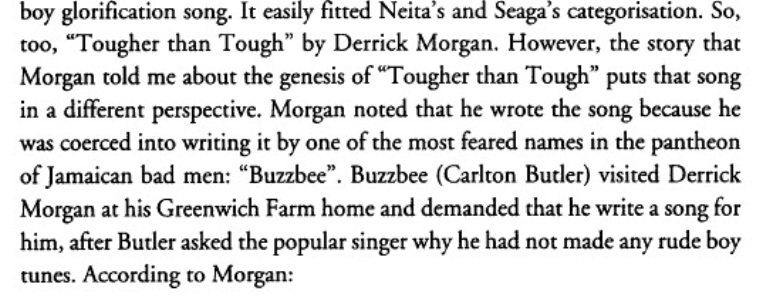
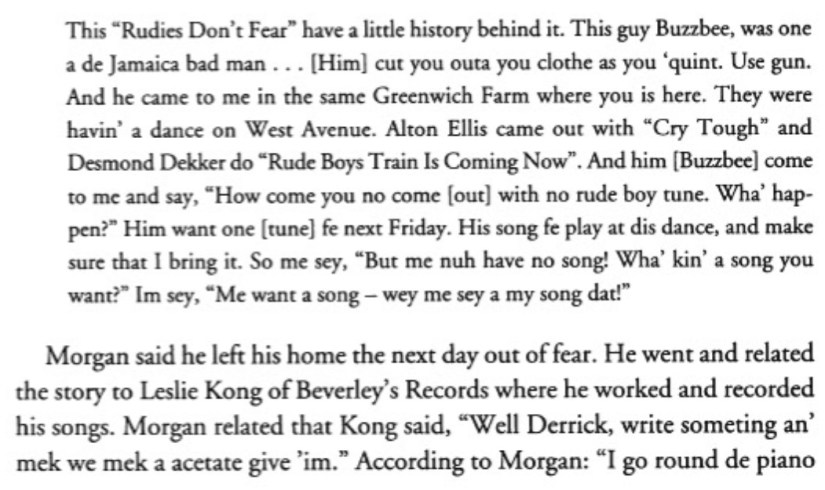
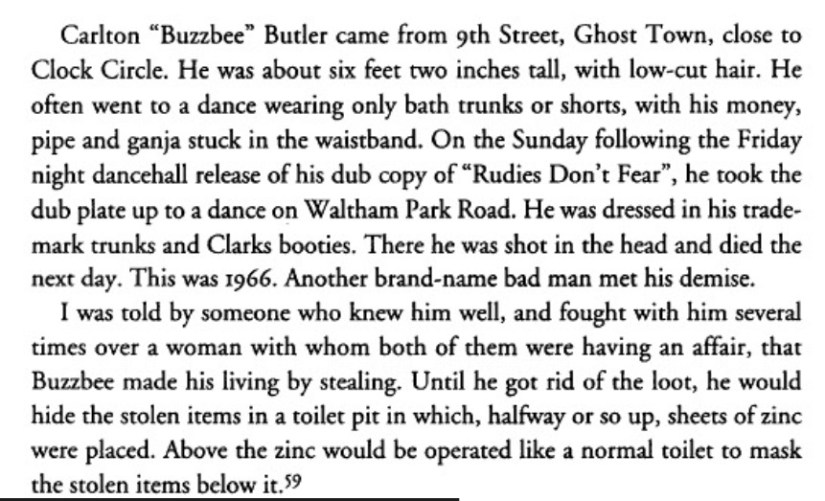
Derrick Morgan will be coming back to Chicago for Reggae Fest on August 13th along with Toots & The Maytals, Lee “Scratch” Perry, Hepcat, and others, and it got me thinking about the story that Derrick Morgan told me back in 1996 when he had a run in with a rude boy that resulted in the recording of one of his most classic songs, Rougher Than Rough. I found some information on this rude boy, named Busby, and so here is Derrick’s account of that episode, along with research on this nefarious character.

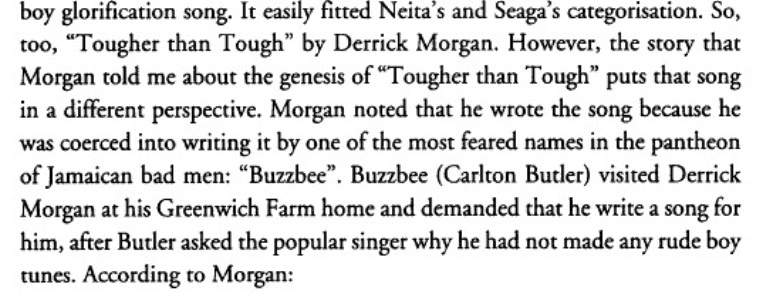
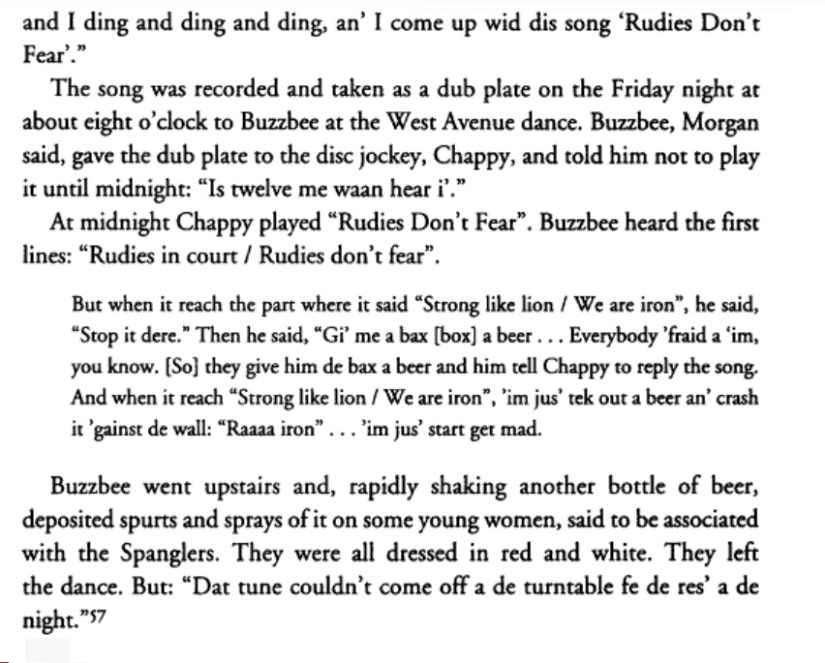
Here is the excerpt from my book, Ska: An Oral History: “I originally came out with a song called ‘Cry Tough’ and this rude guy who call himself Busby, he heard of it and he come to me one day. He used to come around often when we living in Greenwich Farm. They come to me and said, ‘Well I want you to make a song after me. You make sure to make a song off of me and I want it Friday.’ We were afraid of him. So I said, ‘What kind of song you want me to make of you,’ and he said, ‘You sing of me,’ and I said, ‘Okay, well I will make you one,’ and I go ahead and I write a song called ‘Rougher Than Rough’ and I go to Leslie Kong with it and I said ‘Leslie, this bad man threaten me to bring a song to him and I will write a song of him and to come back Friday,’ but Leslie Kong said, “Well we can’t release a song by Friday.’ He said, ‘Do you have the song ready?” I say yes and I used to play piano around there and I go around playing this song, ‘Tougher Than Tough’ that I wrote in Beverly’s one day and I said, ‘Ready. We will go to the studio Friday.’ And we cut the acetate on Friday and I took it to the guy and I said, ‘This is your song,’ and we’re having a dance right there in Greenwich Farm that night on West Avenue, and he was going to play it that night to hear its sound. So that night he took the song from me and he gave it to the disc jockey and said he don’t want to hear it play until twelve in the night. And at twelve o’clock in the night this rude boy went to the man and said, ‘Well okay, I would like you to play my song now.’ And when it reached the part that said, ‘Rougher than rough, tougher than tough, strong like lion, we are iron,’ he said, ‘Stop it there! Sell me a box of beer,’ and I give him a box of beer, and to play back the song. And then we go with him and the beer to the back and he crash it against the wall and said, ‘Iron!’ and get rough,” remembers Morgan.

The song featured the legendary vocalist Desmond Dekker on harmonies and Morgan spoke at the beginning of the song’s instrumentals, declaring:

You’re brought here for gun shooting

Ratchet using, and bomb throwings.

Now tell me rude boys, what have you say for yourselves?

The response came:

Your honor, rudies don’t fear.

The incident made Morgan’s song a hit and when it would play on jukeboxes around Jamaica, drinkers smashed their beers on the wall upon hearing the words, ‘Strong like lion, we are iron.’ The song was therefore banned from radio play.

And the song sparked one final act of violence, upon that rude boy Busby himself. “This guy that was getting out of hand now that song been made and him get worse, say rudies don’t fear. Every jukebox in Jamaica was playing it then. And this guy that I wrote the song for, he listen to this song that night and go on with his antics. That was a Friday night and he died on the Saturday night. They shoot him on Saturday night. He was bad. That song really really takes him to the graveyard,” says Morgan. Busby was shot in the head by a rival gang member while at a party.

Historian Clinton Hutton tells of Busby, spelled Buzzbee in his account, in his crucial article “Oh Rudie: Jamaican Popular Music and the Narrative of Urban Badness,” published in the Caribbean Quarterly, December 2010.

buzzbeea1
buzzbeea
buzz
buzzbee

Uncategorized

What’s In a Name? The Skatalites

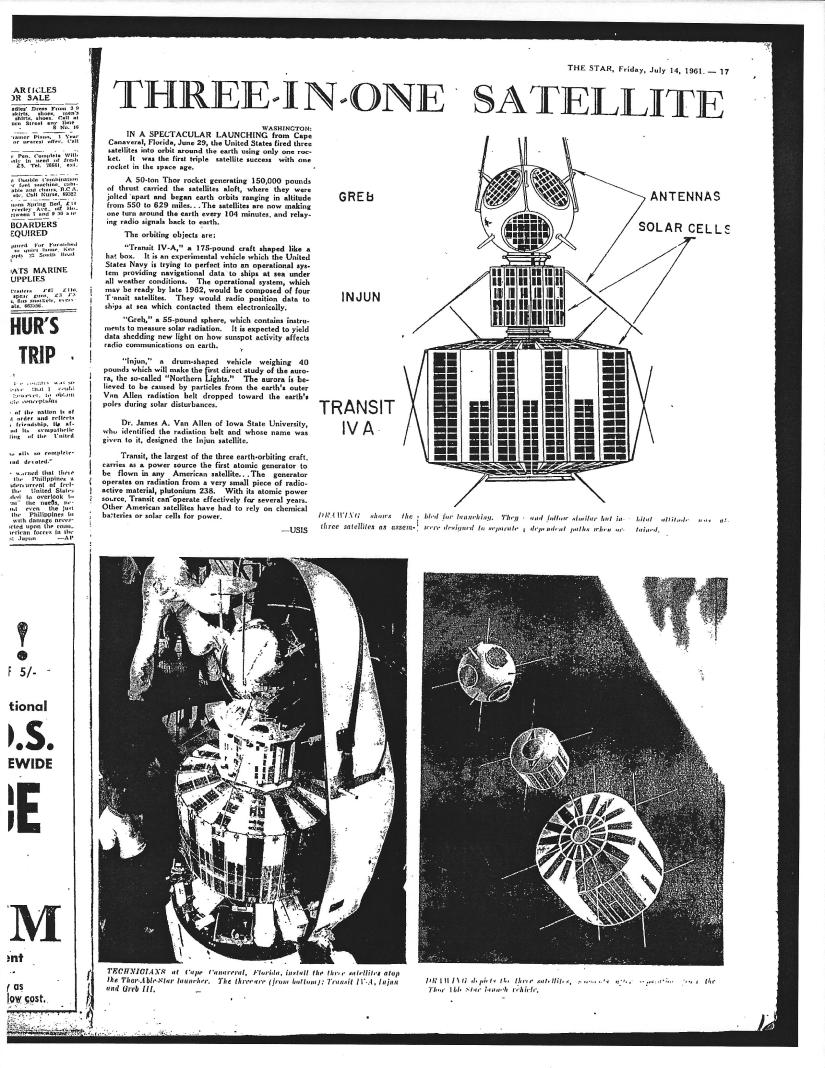
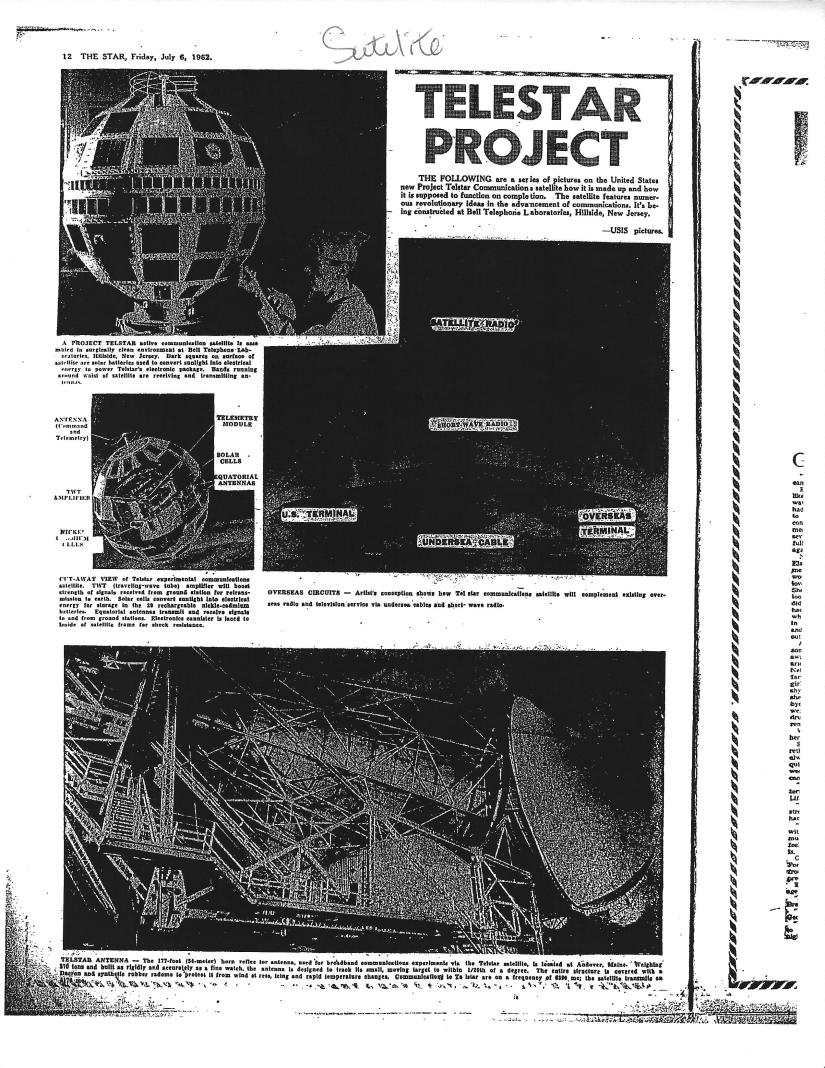
Perhaps you have heard that the name “The Skatalites” came from a play on the words “ska” and “satellites.” It’s true. It was the height of the Space Age and satellites were in the news. The Soviets had launched the first satellite in orbit, Sputnik 1, in 1957. Others followed, including Sputnik 2 a month later with Laika the dog inside. In 1958, the U.S. launched their first satellite, Explorer 1, followed that same year by Sputnik 3 and the race was clearly on. In Jamaica, coverage of these satellites and subsequent satellites was substantial. It is no wonder that the members of what would become The Skatalites would have been influenced to name their group of musicians after the popular culture of the day. In an interview conducted by Journalist Claudia Junqueira with long-time Skatalites Manager Ken Stewart, he explains, “At the time the band started it was the beginning of the space exploration era and the Russians launched the Sputnik satellite and the Americans started launching their rockets, etc. Someone suggested the name Satellites but Tommy McCook said, ”No it’s ska we play so let’s call it Ska-talites.” Song titles were also often named for current events of the day. The band would record a tune in the studio and look for a name and many times would pick something relevant to what was going on in the world outside. Songs like Christine Keiler, Lee Harvey Oswald, President Kennedy, Nuclear Weapon, Fidel Castro, all had names talking about the news of the day, even thought they were instrumentals with no lyrics.”

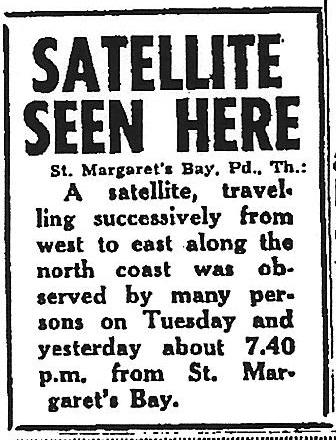
The following is a sample of the some of the coverage of satellites in The Star which likely would have influenced Tommy and the others to name their band The Skatalites. Perhaps their eyes gazed in wonder upon these very articles. A romantic notion? Perhaps, but what is the story of ska without a bit of wonder?!

scan0010
scan0008
scan0009-edit

The Star, August 24, 1961

Uncategorized

Ronnie Nasralla’s First Dance Partner, Evelyn Andrade

skaaaaaaaaa

Before Ronnie Nasralla danced the ska in the iconic step-by-step guides with Jeannette Phillips (above), his dance partner was Evelyn Andrade, Miss West Indies. I recently spoke with the Honorable Arnold Foote, OJ, CD, JP at his home in Kingston who confirmed that Nasralla’s original dance partner was Andrade. “They were a dance couple,” he told me. “It was Evelyn first. She was gorgeous. W were very close friends. She was a fabulous dancer. Jeannette Phillips was a good dancer too, but she was after,” said Foote.

Numerous articles and advertisements confirm this. A Daily Gleaner article on November 7, 1953 gave a review of a show in which the two had danced. The article states, “Horace Forbes and his group of young artists, including Jamaica’s Beauty Queen Evelyn Andrade who appeared at the Carib Theatre on Wednesday night Nov. 18, by kind permission of Mr. Tilly Blackman, can be proud of themselves. They put on a neat and varied half hour’s show, that was a great deal better than most cabaret imports from the United States. . . . The stars of the show, Ronnie Nasralla and Evelyn Andrade then came on and danced ‘Harlem  Nocturne.’ It was a stylized version, very Dunhamish of blues and swing dancing and extremely effective. What a good interpretative dancer Andrade is becoming and how well Ronnie is supporting her.  The show ended, (happily it was not too long), with Evelyn Andrade, Ronnie Nasralla and Tony Verity dancing the Rhumba, the Conga, and the Mambo to the Buckcteers accompaniment. It was here that one realized how much better our local starlet dances than some of the Cubans, who have visited the island in the past couple of years. Ronnie supported Andrade well again, but Tony Verity though assiduously following the steps, does not really seem at home in this style of dancing. I wonder, if his metier does not lie rather in the easy up dancing manner of Jack Hulbert and Jack Buchanan, a type of dancing in which height helps rather than handicaps. This show, I gather, is going on shortly to the Glass Bucket Club, and deserves every encouragement.”

Evelyn Andrade went on to marry Tony Verity who became a famous Jamaican emcee. You may remember him from this ska film at the Sombrero Club featuring Byron Lee & the Dragonaires and the ska dancers. He is the host that starts the film. Tony Verity later went on to marry Byron Lee’s first wife, Edna, also known as Bibi, with whom Byron had three children.

The following is a short piece that appeared in JET magazine, May 26, 1955 that announced Evelyn Andrade’s marriage to Tony Verity.

andrade-jet-magazine-may-26-1955

Evelyn Andrade also danced with Nasralla’s sister Jeanette with the Rowe Studio of Dancing doing ballet performances at the Carib Theatre. This sister Jeanette Nasralla is not to be confused with Jeannette Phillips who later became Jeanette Mills. Over the years, Evelyn Andrade and Ronnie Nasralla danced at a number of performances, including “Caramba” that featured Jeanette Nasralla, Tony Verity, Totlyn Jackson, and Lord Tickler. The following is an advertisement from this show from the Daily Gleaner on October 15, 1955.

andrade-oct-15-1955

The following is a photo of this performance featuring Ronnie Nasralla and Evelyn Andrade from JET magazine, August 19, 1954.

andrade-jet-magazine-aug-19-1954

Over the years, Ronnie Nasralla and Evelyn Andrade continued to perform together, including the performance below from March 26, 1955.

andrade-march-26-1955

In 1959 they performed together in a performance of “Hey There” which also included Tony Verity, Jeanette Nasralla, and recording artist Sheila Rickards.

andrade-dec-24-1959
andrade-dec-9-1959

According to Josh Bailey, owner of the Veestarz website devoted to beauty pageants, Evelyn Andrade was the “first black admitted to a major international beauty contest. An accomplished dancer and swimmer, with a 36-24-26 figure, 18 year old Miss West Indies of 1954, Evelyn Andrade became the first colored woman admitted to a major white beauty contest in the United States. Her father was a Syrian Jew and her mother was a black native from Kingston. After the Miss Universe contest, Evelyn represented Jamaica in the ‘Miss Caribbean’ contest in Trinidad and won before an audience of 4,000.”

Evelyn Andrade died in May, 2013. The Jamaica Gleaner reported, “Former Miss Jamaica and Miss British Caribbean Evelyn Nalley has passed away. One of her daughters, Kim Merril, said Nalley had not been well for a few months. She described Nalley, who first came to national prominence as Evelyn Andrade, as a vivacious, happy woman. ‘She loved her family, she loved her country of Jamaica, though we hadn’t lived there for many years,’ Merril said. ‘It was always in the back of her heart and her mind to always go home.’ Nalley was married twice, first to popular Jamaican entertainer Anthony Verity and then to businessman Hayne Nalley. The former beauty queen moved to Puerto Rico with her second husband and their family before settling in Winter Haven, Florida, in 1972. Merril said her mother would be cremated. ‘She basically wanted her ashes to be put in the ocean,’ Merril said. ‘So that’s what we will be doing. The ocean was always close to her heart.’ In the September 9, 1954 issue of JET magazine, Nalley was featured in the cover story as ‘The beauty queen who snubbed Hollywood’.”

Here is a copy of that JET magazine that I found and purchased on ebay.

scan0001

scan0002

Here is a photo spread that the Daily Gleaner ran on July 23, 1954:

andrade-gleaner

Here is an article from Hue Magazine, November 1954 that shows Evelyn Andrada hobnobbing, or flirting, with Tony Curtis!

andrade-hue-magazine-november-1954

The photo and caption below from JET magazine July 22, 1954 also publicizes\ the Jamaican beauty.

andrade-jet-magazine-july-22-1954

Bailey has posted a number of archival photos of Andrade, including the following: